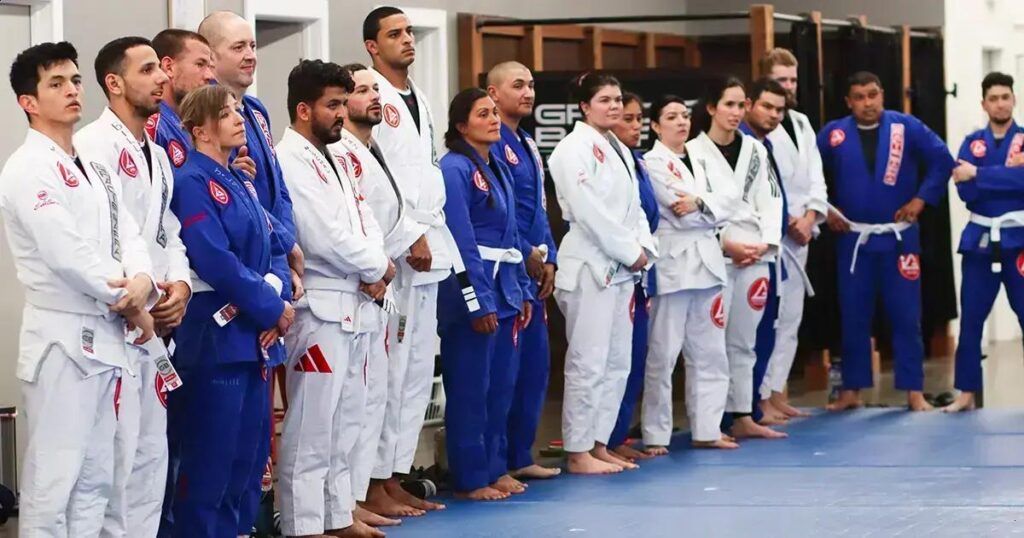
Ever pictured yourself stepping on the mat, eager to learn Jiu-Jitsu but worried about getting injured? Hi, I am Head Prof. Carlos Daniel from Gracie Barra Salt Lake City, and I have seen firsthand how beginners can feel unsure about the bumps and bruises that come with starting this journey. Jiu-Jitsu for Beginners is a path filled with growth, and honestly, knowing how to avoid common injuries not only keeps you training consistently but also builds confidence that spills into daily life. It is about learning more than just technique; it’s embracing a lifestyle of health and safety on and off the mat, and that is how we keep improving together.
Understanding Common Jiu-Jitsu Injuries and Their Causes
At Gracie Barra Salt Lake City, one of the first lessons I share with beginners is understanding why certain injuries happen in Jiu-Jitsu. It is more than just knowing the moves; it is about respecting your body and your training partners. What I see on the mat every day is that when students grasp the reasons behind injuries, they become more mindful and proactive in protecting themselves.
Why Do Injuries Occur?
Injuries often happen when the body is pushed beyond its limits or when a technique is applied incorrectly. For beginners, it can be tempting to use strength instead of technique, which increases the risk. Imagine trying to move a heavy piece of furniture without the right leverage. You will strain muscles and possibly hurt yourself. The great thing about Jiu-Jitsu is it teaches efficient movement and respect for timing, which can reduce these risks.
The Role of Awareness and Control
One of the biggest breakthroughs for our students is realizing that control and awareness on the mat directly reduce injuries. When you learn to listen to your body and your partner, you avoid unnecessary force. For example, tapping out promptly when caught in a hold is not a sign of failure but a smart way to prevent injury. This same awareness makes walking through everyday life safer and more thoughtful.
Common Injury Types and Their Causes
- Joint Strains: Often from twisting or locking motions carried out too aggressively; learning proper technique safeguards your joints.
- Muscle Sprains: Caused by poor warm-up or sudden movements; warming up correctly prepares your body for training.
- Finger and Toe Injuries: These happen with gripping or stepping incorrectly, showing how important technique is even in small actions.
Understanding these causes empowers you to train smarter. At Gracie Barra Salt Lake City, we emphasize technique, patience, and communication because they protect your body and build trust within our community.
“The first step in avoiding injury is understanding your body’s signals and respecting the journey, not rushing it,” I often tell my students. This philosophy helps create a safe place for growth, where confidence and resilience flourish not only on the mats but in everyday life.
Preventative Warm-Ups and Conditioning for Injury Reduction
At Gracie Barra Salt Lake City, we believe that a proper warm-up and conditioning routine are the foundations for a safe and effective Jiu-Jitsu journey. What I see on the mat every day is that those who invest time in warming up not only reduce their risk of injury but also improve their focus and performance. It’s like preparing your body and mind for a challenge, much like stretching before a long day at work or a big presentation.
The Importance of Warming Up
Warming up increases blood flow, loosens muscles, and improves joint mobility. This simple act prepares your body to move fluidly and respond quickly. One of the biggest breakthroughs for our students is understanding that skipping warm-ups is not saving time, but inviting injury. You will notice that when you warm up, your body feels more ready and your movements more precise.
Conditioning: Building Strength to Support Your Training
Conditioning is about building the strength and endurance necessary for Jiu-Jitsu. Think of it as building a strong foundation for a house; without it, everything can falter. Strengthening your core, back, and limbs helps you resist strains and recovers faster. Our conditioning routines at Gracie Barra Salt Lake City are designed to be practical and manageable, boosting your health both on and off the mat.
Warm-Up and Conditioning Techniques
- Dynamic Stretching: Moving stretches that prepare joints and muscles for activity.
- Light Aerobic Activity: Activities such as jogging or jumping rope to elevate your heart rate slowly.
- Specific Drills: Basic movements that mimic Jiu-Jitsu techniques, allowing your nervous system to prepare.
- Strength Exercises: Bodyweight exercises like planks and squats to build supportive muscles.
What happens next when you incorporate these warm-ups and conditioning exercises is a more enjoyable, confident training experience. You won’t just be avoiding injuries; you’ll be seeing steady progress and feeling empowered.
“A body prepared is a body protected. At Gracie Barra Salt Lake City, we teach our students that respect for their body begins before the first roll on the mat,” I often remind everyone. This mindset builds discipline and care that serves well beyond training sessions.
Proper Technique: The Best Defense Against Injury
At Gracie Barra Salt Lake City, mastering proper technique is the heart of safe and effective Jiu-Jitsu practice. What I see on the mat every day is that when students focus on technique over strength, they unlock a new level of confidence and resilience. Proper technique is not just about executing moves correctly; it teaches you patience, precision, and respect for both your body and your training partners.
Why Proper Technique Matters
Using correct technique helps prevent injuries by ensuring that your body moves efficiently and safely. Think of it like learning to drive a car; when you know how to steer smoothly and brake gently, you reduce the risk of accidents. On the mat, this means you rely on leverage and timing rather than force, protecting your joints and muscles from unnecessary strain.
The Journey to Technical Excellence
One of the biggest breakthroughs for our students is when they realize that slowing down to focus on details leads to faster progress and fewer injuries. It is incredible to see a student who once rushed techniques begin to flow naturally, helping others along the way with a smile and calm confidence. This transformation extends beyond training and into everyday life, fostering discipline and mindfulness.
Key Areas to Focus On
- Body Positioning: Maintaining correct posture to avoid putting pressure on vulnerable areas.
- Controlled Movements: Executing techniques smoothly instead of using brute strength.
- Respect for Limits: Understanding when to tap out and avoid forcing submissions.
- Listening to Your Instructor: Applying corrections and learning nuances that keep you safe.
What happens next when you commit to mastering technique is a stronger, more durable body and a deeper connection to your Jiu-Jitsu community. It’s a journey of respect, care, and growth that builds far beyond the mat.
“Proper technique is the greatest injury prevention tool we have. At Gracie Barra Salt Lake City, I always tell my students that technique is kindness to your body and your partner,” I share often. This mindset creates a respectful environment where everyone thrives.
How to Safely Recover and Avoid Setbacks
At Gracie Barra Salt Lake City, I emphasize to every student that recovery is as important as training itself. What I see on the mat every day is that those who understand how to recover safely bounce back stronger, maintaining their confidence and passion for Jiu-Jitsu. Recovery is not just about healing injuries; it is a practice of patience, self-awareness, and respect for your body’s limits, which truly supports long-term success.
The Importance of Listening to Your Body
One of the biggest breakthroughs for our students is when they start to differentiate between discomfort that encourages growth and pain that signals harm. Learning this distinction teaches discipline and mindfulness that go beyond the mat. I often tell them, “Ignoring pain is like ignoring a warning light in your car; you wouldn’t drive without checking it first.” This kind of awareness prevents small issues from becoming serious setbacks.
Practical Steps for Safe Recovery
- Rest and Sleep: These are critical for muscle repair and mental focus.
- Proper Nutrition: Fueling your body with the right nutrients speeds healing and boosts energy.
- Active Recovery: Gentle movement, such as stretching or walking, supports circulation and flexibility.
- Communicating with Coaches: Sharing how you feel helps us adjust training to your needs.
What happens next when you integrate these habits is a more consistent, fulfilling training experience with fewer interruptions. It’s incredible to see students who once felt frustrated by injuries transform into those who manage challenges calmly and steadily.
“Recovery is a form of respect for yourself and your journey,” I remind my students often at Gracie Barra Salt Lake City. This mindset builds resilience not only on the mat but in life, teaching us that progress comes with care and patience.
Creating a Supportive Environment for Safe Training
At Gracie Barra Salt Lake City, creating a supportive environment is central to safe and enjoyable Jiu-Jitsu training. What I see on the mat every day is that when students feel welcomed and respected, they train with greater confidence and care. This environment not only helps prevent injuries but also builds a strong community where everyone grows together.
The Power of Community
Training in a supportive space means knowing that your teammates and instructors have your back. It’s incredible to witness a student who came in shy and uncertain evolve into someone who gently guides new partners through techniques, showing both patience and kindness. This sense of belonging fosters discipline and personal safety, reminding us that Jiu-Jitsu is not about winning, but about mutual respect.
Key Elements of a Safe Training Culture
- Open Communication: Encouraging students to express concerns and feedback helps catch risks before they become injuries.
- Respect for Boundaries: Learning to read your partner’s signals and practicing controlled movements cultivate trust.
- Positive Encouragement: Celebrating progress, no matter how small, builds motivation and resilience.
- Experienced Guidance: Instructors at Gracie Barra Salt Lake City provide personalized attention, ensuring technique is applied safely.
What happens next in such an environment is a consistent culture of care where everyone feels safe to learn and push their limits without fear. It’s a journey of collective growth that transcends the mat and enriches personal relationships.
“A supportive environment is the soil where confidence and safety grow strong. At Gracie Barra Salt Lake City, we nurture this every day,” I often share with my students. This foundation helps transform training into a lifelong source of strength and friendship.
Thank you for taking the time to learn about the most common Jiu-Jitsu injuries and how to avoid them. At Gracie Barra Salt Lake City, we believe that understanding the risks, warming up properly, mastering technique, recovering safely, and training in a supportive environment are key to enjoying your Jiu-Jitsu journey with confidence and safety. It’s incredible to see how these principles not only protect your body but also build discipline, resilience, and community that extend into all parts of life.
If you have been thinking about starting, come visit us at Gracie Barra Salt Lake City for a free class. I would be glad to welcome you on the mat and show you what Jiu Jitsu can do for your life.
FAQ – Most Common Jiu-Jitsu Injuries and How to Avoid Them
What are the most common injuries for beginners in Jiu-Jitsu?
You might be surprised to learn that most common injuries include joint strains, muscle sprains, and fingers or toes injuries. We always tell our new students that understanding how these happen is the first step to avoiding them.
How important are warm-ups before training?
Warm-ups are essential to prepare your body and mind for training. At Gracie Barra Salt Lake City, we stress that skipping warm-ups increases injury risk. A proper warm-up helps your muscles get ready and your focus sharpen.
Why should I focus on technique rather than strength?
Using proper technique protects your body from injury and helps you progress faster. What I see on the mat every day is that students who master technique feel more confident and train longer without setbacks.
How can I recover safely if I get injured?
Safe recovery means listening to your body, resting properly, and communicating with your coach. We always encourage students to respect their limits to avoid setbacks and stay consistent in their training.
What role does the training environment play in injury prevention?
A supportive and respectful training environment helps everyone stay safe and motivated. At Gracie Barra Salt Lake City, we foster open communication and care, which lowers injury risks and builds strong community bonds.
How can I start Jiu-Jitsu if I’m worried about injuries?
If you have concerns, I invite you to come try a free class at Gracie Barra Salt Lake City. We focus on teaching safe techniques, warming up correctly, and supporting each student’s pace to ensure a positive and injury-free start.